-
Bus, Airlines
-
3 Stars Hotels
-
5,416 metres
-
Phuntsholing
-
Feb, Mar, Apr & May
-
Eco-Tour, Hiking
-
All meals during the trek
-
English, Spanish, French, Chinese, Hindi
-
Easy to Moderate
-
2-15
-
12
-
65
Overview
Experience the best of Bhutan on an unforgettable journey from Phuntsholing to Thimphu, Punakha, Gangtey, Haa, and Paro. Discover ancient dzongs and monasteries, breathtaking Himalayan landscapes, peaceful valleys, vibrant local culture, and the iconic Tiger’s Nest Monastery. From the scenic Dochula Pass to the glacial beauty of Phobjikha Valley and the charm of Haa, this journey offers a perfect blend of culture, nature, spirituality, and adventure.
Highlights
- Discover Bhutan’s vibrant capital, rich in culture, traditions, and iconic landmarks.
- Enjoy breathtaking Himalayan views surrounded by the beautiful 108 chortens.
- Explore the magnificent Punakha Dzong and the legendary Chimi Lhakhang.
- Experience the serene Phobjikha Valley and its famous black-necked cranes.
- Discover one of Bhutan’s most peaceful and untouched valleys.
- Enjoy spectacular mountain views from one of Bhutan’s highest motorable passes.
- Hike to Bhutan’s iconic monastery dramatically perched on a mountainside
- Explore Bhutanese heritage, ancient temples, charming streets, and stunning valley scenery
Itinerary
After breakfast, drive towards Thimphu, stopping at Kharbandi Gompa, a beautiful monastery built in 1967 by the Royal Grandmother, Ashi Phuntsho Choedon. Enjoy the peaceful monastery gardens and spectacular views of Phuntsholing and the Indian plains.
Continue through the scenic mountain landscapes, passing through Gedu and Chukha, with lunch served en route. The journey then follows the Wang Chu River to Chuzom, the confluence of the Wang Chu and Paro Chu rivers, before continuing uphill to Thimphu.
Dinner and overnight stay in Thimphu.
After an early breakfast, explore the cultural and scenic highlights of Thimphu. Begin with the National Memorial Chorten, built in memory of the Third King, Jigme Dorji Wangchuck, and a popular place for locals to gather and pray. Continue to the Mothithang Takin Preserve, home to Bhutan’s unique national animal, followed by a stop at BBS Tower for panoramic views of Thimphu City.
Visit the National Textile Museum to discover Bhutan’s rich weaving traditions and learn about the traditional Gho and Kira, including their significance in Bhutanese culture and dress. After lunch, explore the magnificent Tashichho Dzong, known for its impressive architecture, sacred paintings, and historical importance.
Continue to Kuensel Phodrang Nature Park (Buddha Point) to admire the magnificent Buddha Dordenma statue overlooking the valley. If visiting between Thursday and Sunday, explore the Centenary Farmers’ Market, where you can experience local life, fresh produce, traditional foods, and Bhutanese handicrafts.
Dinner and overnight stay in Thimphu.
(approximately 3 hours’ drive)
After breakfast, drive to Punakha via the scenic Dochula Pass (3,100 m). On a clear day, enjoy breathtaking views of the Himalayan peaks and, during spring, admire the vibrant rhododendron forests along the mountain slopes. Continue through the countryside into the warm and beautiful Punakha Valley, the former capital of Bhutan.
En route, stop at Lobesa and take a pleasant walk to Chimi Lhakhang, the Temple of the Divine Madman, associated with the revered Buddhist master Drukpa Kuenley. The temple is also widely known for its fertility blessings.
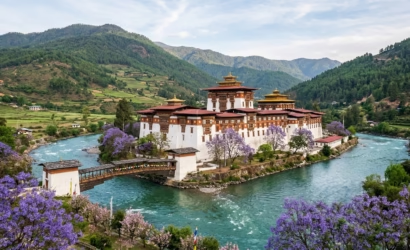
Upon arrival in Punakha, visit the magnificent Punakha Dzong, also known as the “Palace of Great Happiness.” Built in 1637 by Zhabdrung Ngawang Namgyal at the confluence of the Mo Chu and Pho Chu rivers, the dzong is renowned for its stunning traditional architecture and historic significance. It also served as the winter residence of the Je Khenpo and was the site where Bhutan’s first King, Ugyen Wangchuck, was crowned in 1907.
Dinner and overnight stay in Punakha.
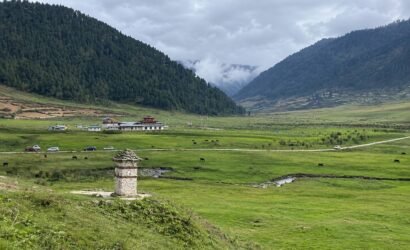
After breakfast, drive through winding mountain roads surrounded by beautiful oak and rhododendron forests, crossing a high pass before descending into the picturesque Phobjikha Valley. One of Bhutan’s few glacial valleys, Phobjikha is renowned as the winter home of the endangered black-necked cranes, which migrate from the Tibetan Plateau between November and March.
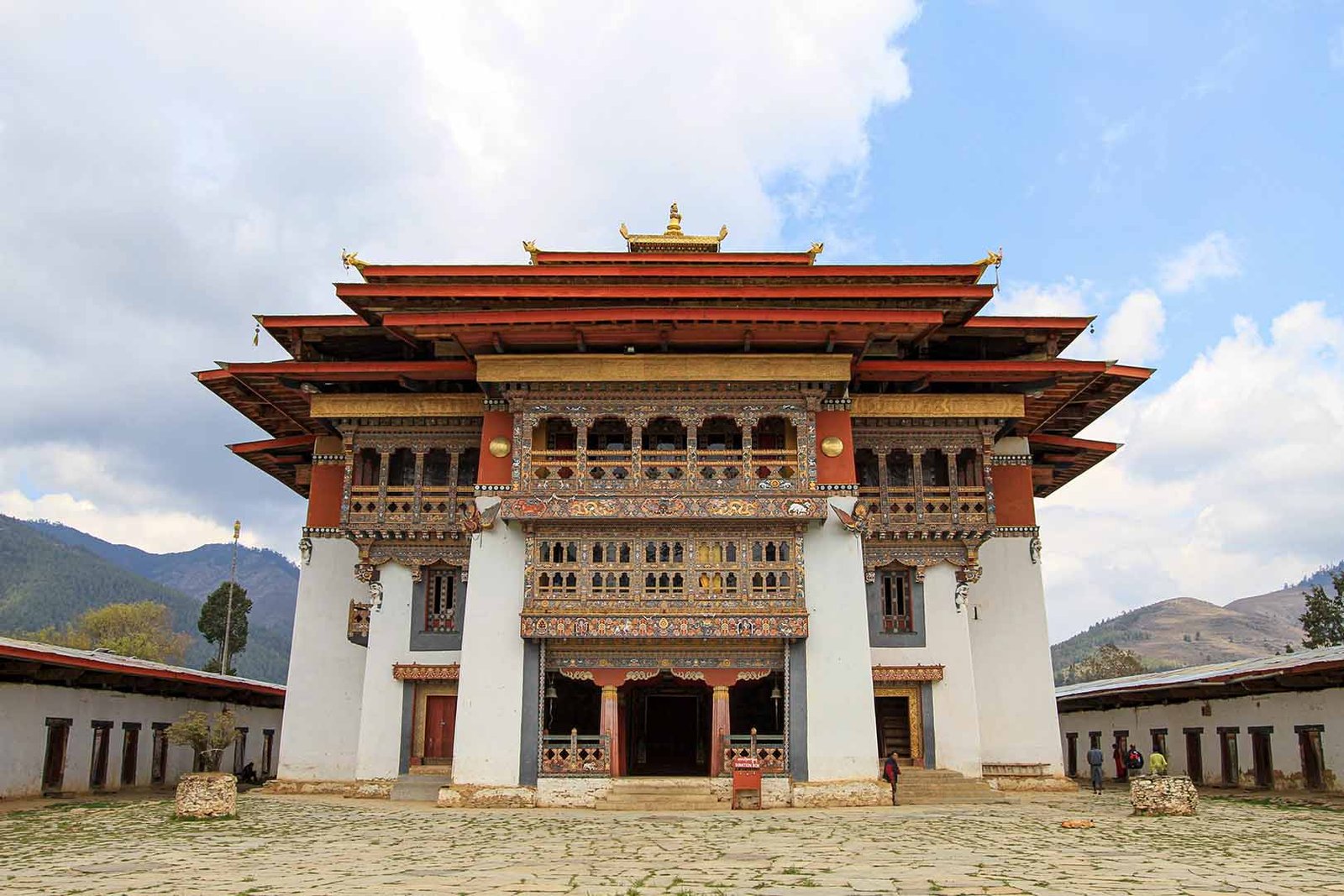
Explore the valley with a visit to the Phobjikha Sanctuary, where you may have the opportunity to observe these majestic birds during the winter season. Continue to Gangtey Monastery, a historic 16th-century monastery and an important centre of the Nyingmapa tradition in western Bhutan.
In the afternoon, enjoy a peaceful walk through the valley and take in its breathtaking natural beauty. Dinner and overnight stay in Phobjikha.
Early Breakfast drive to Paro. From Gangtey the road gradually descends into the balmy Punakha valley before climbing up over Dochu La Pass. Dinner and Overnight in Hotel in Paro.
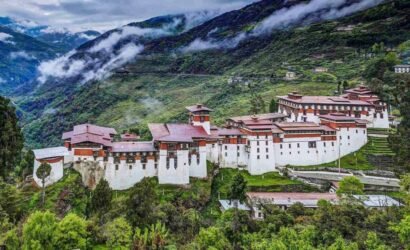
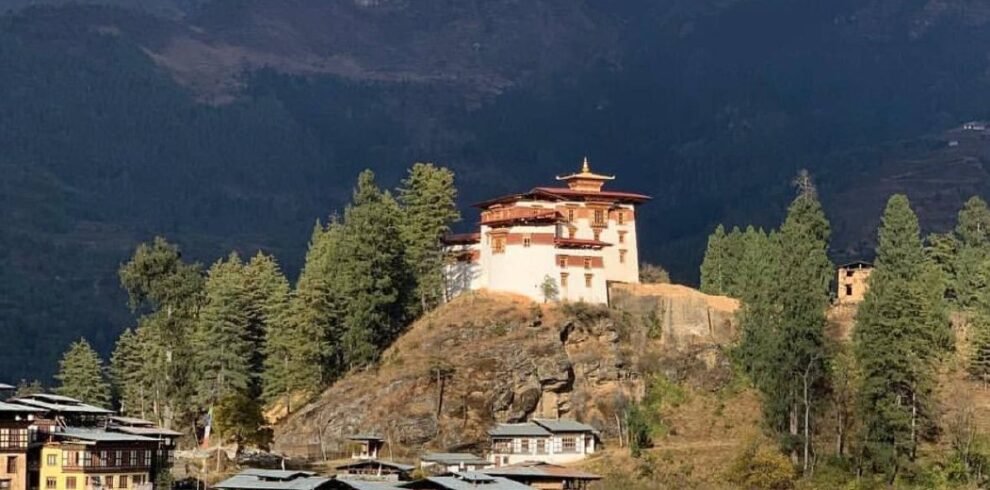
After breakfast, drive to the peaceful Haa Valley, one of Bhutan’s most remote, least populated, and less-visited valleys. Surrounded by lush landscapes, rich biodiversity, and traditional Bhutanese culture, Haa offers a serene and authentic experience away from the usual tourist routes.
Travel to Haa via the scenic Chele La Pass, enjoying beautiful mountain views and the surrounding landscapes along the way. Explore a few of the valley’s cultural and natural attractions before returning to Paro.
In the evening, enjoy some free time to explore Paro town. Dinner and overnight stay in Paro.
After breakfast, drive to the trailhead and begin the hike to Paro Taktsang, famously known as the Tiger’s Nest Monastery. Perched dramatically on a cliffside about 900 metres above the Paro Valley, Taktsang is Bhutan’s most iconic landmark and one of the country’s most sacred pilgrimage sites.
According to legend, Guru Rinpoche arrived at the site on the back of a tigress in the 8th century and meditated in a cave for three months, giving the monastery its name. The present monastic complex dates back to 1692 and was restored following a devastating fire in 1998.
The hike through pine forests is steep but rewarding, offering spectacular views along the way. For those unable to complete the full hike, the cafeteria viewpoint provides an excellent view of the monastery. The round trip takes approximately 5 hours.
Return to Paro and enjoy the evening at leisure. Dinner and overnight stay in Paro.
After Breakfast we will check – out from Hotel and drive to Phuntsholing. Same distance which we have started our tour before, distance 176 kms/ driving time: 6 hours. We will have lunch on the way to Phuntsholing. After reaching Phuntsholing our Guide and Driver will escort you all through the gate.
Cost
The Cost Includes
- Accommodation is on twin sharing basis.
- Meals : breakfast at all places.
- Transfers from one place to another.
- Sightseeing in private cars.
- Vehicle will be provided based on the itinerary.
- All current taxes such as hotel taxes and transportation taxes.
The Cost Excludes
- Entrance fees at the monuments/ temples.
- Meals not mentioned in inclusions.
- Personal Expenses / Purchase of thing.
- Any kind of insurance.
- Any increase in the govt. taxes and state taxes.
- Anything not mentioned in the itinerary.
Frequently Asked Questions (FAQs)
Annapurna Base Camp is a Grade B or a moderately difficult trekking route. So any fit person can do this trek, even if you do not have any previous experience. You should be aware of what to expect and mentally prepare for it. Then, as long as you will too, you can.
On average, you walk about 4 to 6 hours per day. One or two days can be as less as 3hrs and one or two days can be as long as 7hrs.
The highest altitude reached is 4190m. This is the elevation of Annapurna Base Camp. ABC is the highest we will climb in this trek.
Yes, you can charge batteries en route. Charger should be brought. There are hot shower facilities as well. You may have to pay a certain amount for both ($1-$2). Negotiate. Also, a hot water facility could be free at a lower elevation.
No. There are no ATMs on this trek route. You will have to draw enough cash in Pokhara or Kathmandu. There are a number of ATMs in these cities. Everything is paid in Nepali rupees. So money should be exchanged before the start of the trek.
Yes. The Internet can be accessed in most places. Sometimes, there might be some technical problems. The Internet in Nepal is not as fast as you are used to and at times you can just lose connection.
Not really. It depends on you. If you want, ABC trekking can be done independently. You could hire a guide and a porter by yourself instead of going through an agency or not hire a guide at all. Although, not having a guide can be a little problematic during the offseason.
It really depends on you. Is it your first time in Nepal? How confident are you of being able to find your way around? How pressed on time are you? If you go through an agency, it will be costlier but everything will be planned. You will only have to come, trek and return.
For the Annapurna region, pay for guides range from $20 to $30 per day and porters take $15 to $25 per day.