-
Bus,
-
3 Stars Hotels
-
5,416 metres
-
Paro Airport
-
Feb, Mar, Apr & May
-
Eco-Tour, Hiking
-
All meals during the trek
-
English, Spanish, French, Chinese
-
Easy to Moderate
-
2-15
-
9
-
65
Overview
Embark on an unforgettable 10-night, 11-day journey through Bhutan’s majestic mountains, sacred monasteries, peaceful valleys, and vibrant towns. From the cultural treasures of Thimphu and ancient heritage of Bumthang to the serene beauty of Phobjikha and the iconic landscapes of Paro and Haa, discover the untouched charm and timeless spirit of the Kingdom of Bhutan.
Highlights
- Discover Bhutan’s rich culture, royal heritage, and vibrant capital surrounded by magnificent mountains.
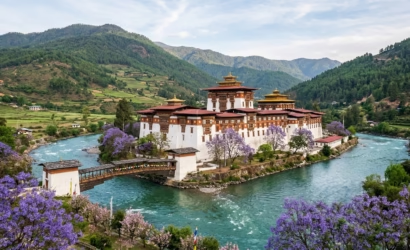
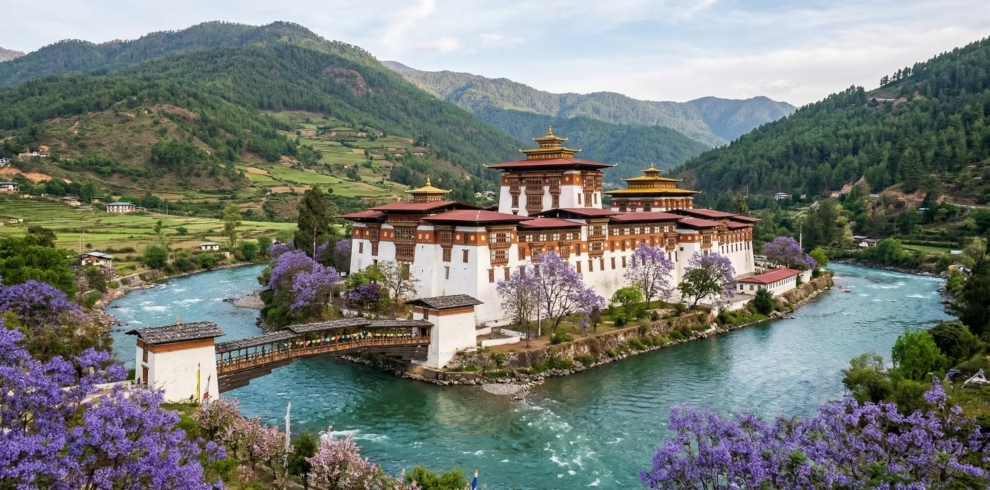
- Admire breathtaking Himalayan panoramas and the majestic Punakha Dzong beside the rivers.
- Journey into Bhutan’s spiritual heartland, home to ancient monasteries, sacred sites, and beautiful valleys
- Experience the peaceful mountain valley and spot the graceful black-necked cranes in their winter home.
- Explore historic treasures and dramatic Himalayan landscapes from Paro to Bhutan’s stunning high passes.
Itinerary
Meet & Greet on arrival at Paro Airport and transfer to Thimphu (7,710 ft.) the capital city of Bhutan. On arrival check in at the hotel. Afternoon start for half day Thimphu sightseeing consist of Kuensel Phodrang (Buddha Statue) a place for refreshing with a huge statue of Buddha on the top of the Kuensel Phodrang, King's (National) Memorial Chorten - This Chorten was built in 1974 in a typical Tibetan style. It is also a center of worship for the people living in Thimphu. Tashichho Dzong (Fortress of the Glorious Religion) The Dzong is the seat of the national government and the Central Monastic Body, including the summer residence of the Je Khenpo (Chief Abbot of Bhutan) at present. & Folk
Heritage Museum. Overnight stay at Thimphu.
After breakfast go for morning sightseeing- visit the Indigenous hospital where traditional old art of healing is still practiced, Art & craft School, National Library royal goldsmith workshop and handicraft centers. Have a sumptuous lunch. In the afternoon visit the Memorial Chorten built in the memory of the late king Jigme Dorji Wang chuck, 15th century Changangkha monastery, Motithang mini zoo to see the rare “Takin” national animal of Bhutan and drive further down with good view of the Thimphu Valley. Visit the new Drupthob nunnery temple. Evening at your own leisure. Overnight in Thimphu.
After early Breakfast, check out from Hotel & Transfer Wangduephodrang, (70 Kms/2hrs), with a stop en route for tea at Dochu LA pass (3,100 meters), where on a clear day you can get spectacular views of the Himalayans. In Wangdue, stop at Mehsina village & visit Chime lhakhang – the Temple of fertility built in 15th century by Lama Drukpa Kinley. (This monk is popularly known as the Divine Madman for his philosophy, “Salvation through Sex”), Chendebjichorten, Wangduephodrang Dzong, Phobjikhs valley on the same slope overlooking the valley is the GangteyGompa. Have your lunch in your way at restaurant and in afternoon drive to Punakha, the former capital of Bhutan, and visit Punakha Dzong, which is noteworthy both for being one of the most beautiful dzongs in Bhutan and also for having been built by the first Shabdrung in 1937. Overnight in Punakha.
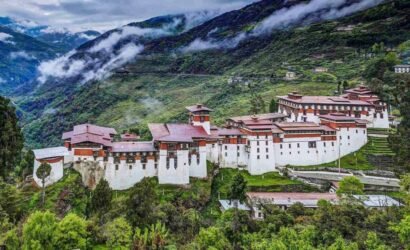
After Breakfast: Transfer to Bumthang, Switzerland of Bhutan, (which is Approx 212 Km/ 8 Hours) .Bumthang consists of the four mountain valleys of Ura, Chumey, Tang and Choekhor ("Bumthang"), Bumthang directly translates as "beautiful field" & Overnight Stay at Bumthang.
After Breakfast: Visit: 1) Mebar-Tsho (Burning Lake), 2) Kurje Monastery, 3)Jakar Dzong, 4) Jambay Lakhang, 5) Tamshing, 6) KoenchogSumLakhang, 7) Jakar Lhakhang, 8) WangdueCholing & Overnight Stay.
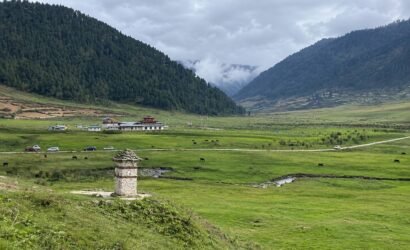
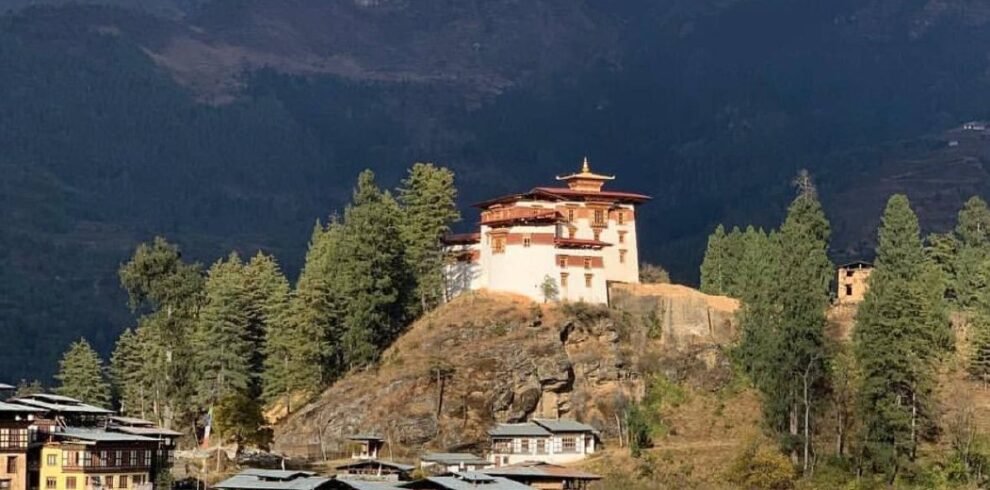
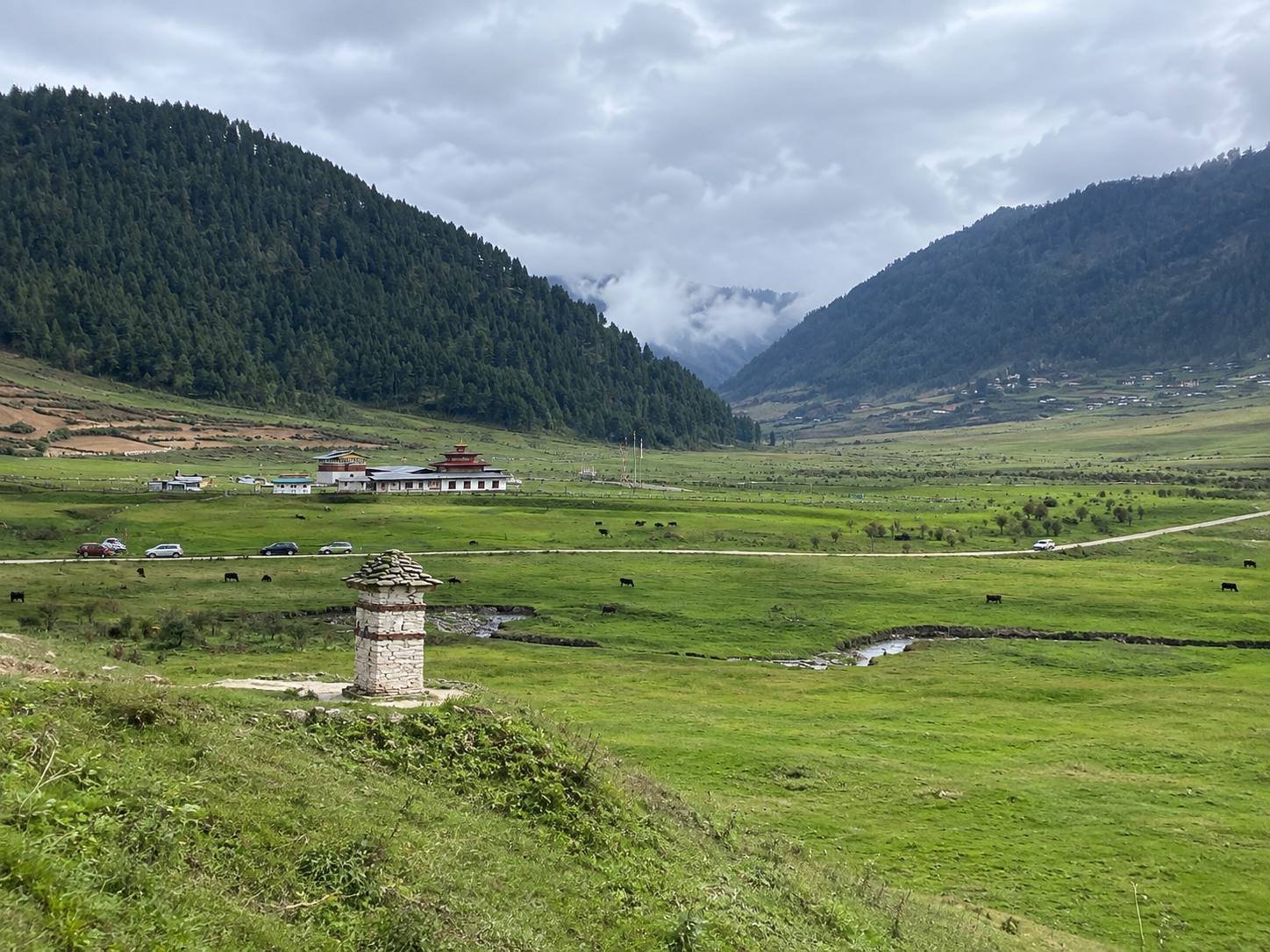
After breakfast drive to Gangtey / Phobjikha. In the mountains east of Wangduephodrang liesthe beautiful Phobjikha valley, on the slopes of which is ituated the great monastery of Gangtey, established in the 17th century. The village of Phobjikha lies a few km, down from the monastery, on the valley floor. This quite, remote valley is the winter home of black necked cranes, which migrate from the arid plains of Tibet in the north, to pass the winter months in a milder climate. Explore Gangtey village and Phobjikha valley. Overnight at the lodge in Gangtey / Phobjikha.
AFTER BREAKFAST TRANSFER TO WANGDUE AND NIGHT STAY AT
WANGDUE.
After Breakfast, check out from Hotel & Transfer to Paro. Paro is Destination of Scenic beauty, the only International airport of Bhutan in Paro. It has a population of 39,800 (which is approx 1 and half hours/65 KM from Thimphu). – visit the historic ruins of the Drukgyal Dzong, built in 1647. Paro’s Main street features shops on both sides, all crammed with brasswares, silk and cotton scarves, incense sticks, silver filigree jewellery, gho (Bhutanese National Dress for Men) which can be matched with elaborately embroidered boots, kira (wrap-around sarong worn for Bhutanese Women) and prayer flags that one could string across any open space to seek blessings for loved ones and friends. Evening at your own leisure. Overnight in Paro.
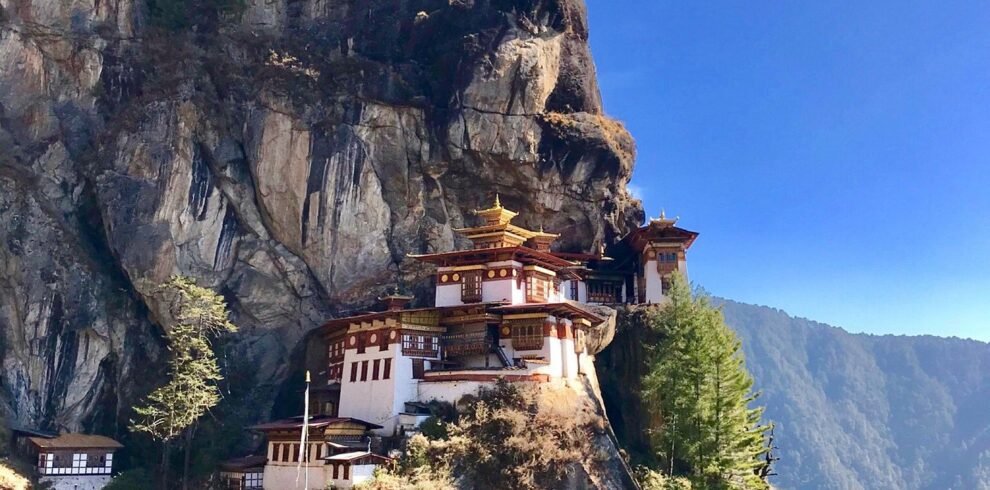
After Breakfast: Visit -1) View of Taktshang Monastery, 2) Kichulanka Monastery, 3) Ta Dzong, 4) Paro Rinpung Dzong (Museum), 5) Nya-meyZam, 6) DungtseLhankhang, 7) KilaGompa, 8) Druk Choeding. In Evening: Stroll Through the Market of Paro & Overnight Stay in Paro.
After Breakfast: Excursion To PARO Extra Point: Chele La (Pass) & Haa Valley Only (Border of the Bhutan and China): At an elevation 3,988 meters is considered to be one of the highest motorable passes in Bhutan. About an hour's drive along a thickly-forested road, is this Pass-a botanical paradise. The pass provides stunning views of the sacred mountain Jhomolhari and Jichu Drake. It is also marked by hundreds of prayer flags fluttering in the wind. Here, visitors can see cascades of wild roses; purple and yellow primulas; and swathes of deep blue iris covering the forest floor. The top of the pass bloom with rhododendrons in a variety of colors-pale pink, deep pink, burnt orange, mauve, white and scarlet. In Evening: Stroll Through the Market of Paro& Overnight Stay at Paro.
After breakfast check out from Hotel proceeds to Paro Airport for your onwards journey.
Cost
The Cost Includes
- Accommodation is on twin sharing basis.
- Meals : breakfast at all places.
- Transfers from one place to another.
- Sightseeing in private cars.
- Vehicle will be provided based on the itinerary.
- All current taxes such as hotel taxes and transportation taxes.
The Cost Excludes
- Entrance fees at the monuments/ temples.
- Meals not mentioned in inclusions.
- Personal Expenses / Purchase of thing.
- Any kind of insurance.
- Any increase in the govt. taxes and state taxes.
- Anything not mentioned in the itinerary.
Frequently Asked Questions (FAQs)
Annapurna Base Camp is a Grade B or a moderately difficult trekking route. So any fit person can do this trek, even if you do not have any previous experience. You should be aware of what to expect and mentally prepare for it. Then, as long as you will too, you can.
On average, you walk about 4 to 6 hours per day. One or two days can be as less as 3hrs and one or two days can be as long as 7hrs.
The highest altitude reached is 4190m. This is the elevation of Annapurna Base Camp. ABC is the highest we will climb in this trek.
Yes, you can charge batteries en route. Charger should be brought. There are hot shower facilities as well. You may have to pay a certain amount for both ($1-$2). Negotiate. Also, a hot water facility could be free at a lower elevation.
No. There are no ATMs on this trek route. You will have to draw enough cash in Pokhara or Kathmandu. There are a number of ATMs in these cities. Everything is paid in Nepali rupees. So money should be exchanged before the start of the trek.
Yes. The Internet can be accessed in most places. Sometimes, there might be some technical problems. The Internet in Nepal is not as fast as you are used to and at times you can just lose connection.
Not really. It depends on you. If you want, ABC trekking can be done independently. You could hire a guide and a porter by yourself instead of going through an agency or not hire a guide at all. Although, not having a guide can be a little problematic during the offseason.
It really depends on you. Is it your first time in Nepal? How confident are you of being able to find your way around? How pressed on time are you? If you go through an agency, it will be costlier but everything will be planned. You will only have to come, trek and return.
For the Annapurna region, pay for guides range from $20 to $30 per day and porters take $15 to $25 per day.