-
Bus, Airlines
-
3 Stars Hotels
-
5,416 metres
-
Paro
-
Feb, Mar, Apr & May
-
Eco-Tour, Hiking
-
All meals during the trek
-
English, Spanish, French, Chinese
-
Easy to Moderate
-
2-15
-
12
-
65
Overview
Embark on an unforgettable journey through Bhutan’s scenic valleys, ancient monasteries, and peaceful mountain trails. Explore the cultural treasures of Thimphu, Punakha, and Paro, then experience the adventure of camping beneath Bumdra Monastery before completing the journey at the iconic Tiger’s Nest.
Highlights
- Discover Bhutanese culture through vibrant markets, sacred landmarks, traditional arts, and local experiences.
- Explore majestic dzongs, sacred temples, peaceful villages, and breathtaking Himalayan landscapes.
- Trek through ancient forests and mountain trails to camp beneath Bumdra Monastery surrounded by stunning Himalayan views.
- Follow an ancient pilgrim trail to the legendary Taktsang Monastery, dramatically perched on a mountainside
- Experience Bhutan’s rich heritage through historic dzongs, ancient temples, and spectacular valley scenery.
Itinerary
Paro – Thimphu (54 km, approximately 1 hour’s drive)
Upon arrival at Paro International Airport by Drukair (Royal Bhutan Airlines) or Bhutan Airlines, you will be warmly welcomed by your Bhutan Travel Services guide and transferred to Thimphu, the capital of Bhutan. The scenic drive passes through the beautiful Paro Valley and Chuzom, where the Paro and Thimphu rivers meet, before continuing through the countryside to Thimphu.
After checking into your hotel and enjoying lunch or refreshments, begin your sightseeing with a visit to the Centenary Farmers’ Market (open Thursday to Sunday), where you can experience local life, fresh produce, and traditional handicrafts. Continue to Changlimithang National Stadium to witness Bhutan’s national sport, archery.
Visit Kuenselphodrang (Buddha Point), home to the impressive Buddha statue overlooking Thimphu Valley, with an optional 20–30-minute nature walk through the surrounding park. Explore Tashichho Dzong, an important historic fortress housing key government and monastic institutions, followed by the National Memorial Chorten, built in memory of the Third King, Jigme Dorji Wangchuck.
End the day at the Craft Bazaar, where you can discover a variety of authentic Bhutanese arts and handicrafts from across the country. Dinner and overnight stay in Thimphu.
After breakfast, begin your day with a visit to the School of Traditional Arts and Crafts, where students receive training in Bhutan’s 13 traditional arts. Continue to the Jungshi Traditional Paper Factory to learn about Bhutan’s centuries-old handmade paper tradition and see how traditional paper and products are crafted.
Visit the Bhutan Post Office Headquarters, where you can create personalized Bhutanese postage stamps featuring your own photograph—an enjoyable souvenir to share with family and friends.
After lunch, visit the Takin Preserve, home to Bhutan’s unique national animal, the rare takin. Continue to Changangkha Lhakhang, a historic temple perched on a ridge above Thimphu, known for its spiritual significance and impressive prayer wheels.
End the sightseeing at Dechenphodrang Monastery, also known as the “Palace of Great Bliss,” a monastic school where young monks receive traditional Buddhist education. Spend some time experiencing the peaceful surroundings before strolling through Thimphu downtown in the evening.
Dinner and overnight stay in Thimphu.
After breakfast, drive to the base camp of Tango Monastery, located north of Thimphu, with a packed picnic lunch. From the end of the motor road, hike through beautiful forests of oak, pine, and rhododendron trees to reach the monastery.
With religious significance dating back to the 12th century, Tango Monastery was built in 1689 by Gyalse Tenzin Rabgyal and is now an important centre for higher Buddhist studies. Enjoy the breathtaking mountain views and peaceful surroundings before hiking back to the base.
Return to Thimphu and spend the evening relaxing at leisure. Dinner and overnight stay in Thimphu.
(71 km, approximately 2½ hours’ drive)
After breakfast, drive to Punakha via the scenic Dochula Pass (3,140 m). On a clear day, enjoy panoramic views of the Himalayan ranges and admire the beautiful 108 chortens built by Queen Mother Ashi Dorji Wangmo Wangchuck. Continue to Druk Wangyal Lhakhang, a unique temple dedicated to the Fourth King, Jigme Singye Wangchuck.
Proceed towards Punakha, the former capital of Bhutan from 1637 to 1907 and the site of the country’s first National Assembly. En route, stop at Metsina Village and take a short walk through the paddy fields to Chimi Lhakhang, the famous Temple of the Divine Madman, known for its fertility blessings.
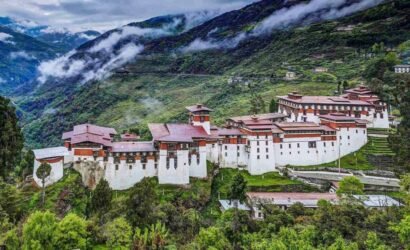
After lunch, visit the magnificent Punakha Dzong, beautifully situated between the Pho Chu and Mo Chu rivers. Built in 1637 by Zhabdrung Ngawang Namgyal, the dzong served as an important religious and administrative centre and is renowned for its impressive traditional woodwork and historical significance.
In the evening, visit Sangchhen Dorji Lhuendup Lhakhang Nunnery and enjoy breathtaking views of the Punakha and Wangdue valleys. Dinner and overnight stay in Punakha.
After breakfast, drive to Khamsum Yulley Namgyel Chorten, passing through scenic rice fields, vegetable farms, and small villages. Consecrated in 1999, the chorten was built for the protection and well-being of the former Crown Prince, His Majesty King Jigme Khesar Namgyel Wangchuck. Enjoy a pleasant one-hour walk to the hilltop temple and take in the breathtaking views of the valley.
Continue to Chimi Lhakhang, the famous temple associated with the revered Buddhist master Drukpa Kuenley. Located on a small hilltop, the temple is known for its fertility blessings. The round-trip walk takes approximately 40 minutes and offers opportunities to experience the local village surroundings.
After lunch, visit Rinchengang Village in Wangduephodrang. Take a short walk through the village, interact with the locals, and enjoy views of the magnificent Wangdue Dzong. Return to Punakha for dinner and overnight stay.
Punakha – Paro
Depart Punakha early in the morning and drive west towards the beautiful Paro Valley, crossing the scenic Dochula Pass once again. Arrive in Paro in time for a late lunch at a local restaurant.
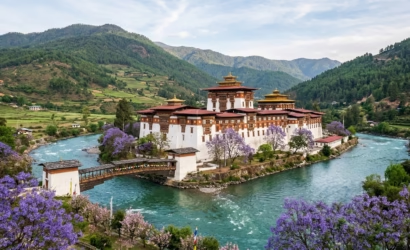
In the afternoon, explore the main highlights of Paro, including Paro Rinpung Dzong and its traditional cantilever bridge. Continue to Kyichu Lhakhang, one of Bhutan’s oldest temples, known for its sacred orange tree that bears fruit throughout the year.
End the day with a visit to the historic ruins of Drukgyal Dzong, located about 14 km from Paro. Known as the “Fortress of the Victorious Drukpa,” it played an important role in defending Bhutan against Tibetan invasions. On a clear day, enjoy spectacular views of the snow-capped Mount Chomolhari (7,314 m). Dinner and overnight stay in Paro.
After breakfast, drive to Sang Choekor Buddhist College (2,800 m), where the trek to Bumdra begins. Meet the ponies and, if time permits, pay respects at the college before starting the hike through scenic mountain trails.
The trail leads towards Chhoe Tse Lhakhang, nestled on the mountainside, before continuing through beautiful landscapes to the yak pastures beneath Bumdra Monastery (3,800 m), known as the “Cave of a Thousand Prayers.” Enjoy lunch at the campsite and take in spectacular views of the Himalayan range.
In the afternoon, visit Bumdra Monastery if open, or take an optional hike to the nearby peak at around 4,000 m for even more impressive mountain views. Return to camp for dinner and an overnight stay at Bumdra Wilderness Camp.
Trek duration: 4–5 hours to camp | 2–3 hours optional peak hike
Difficulty: Moderate to Hard
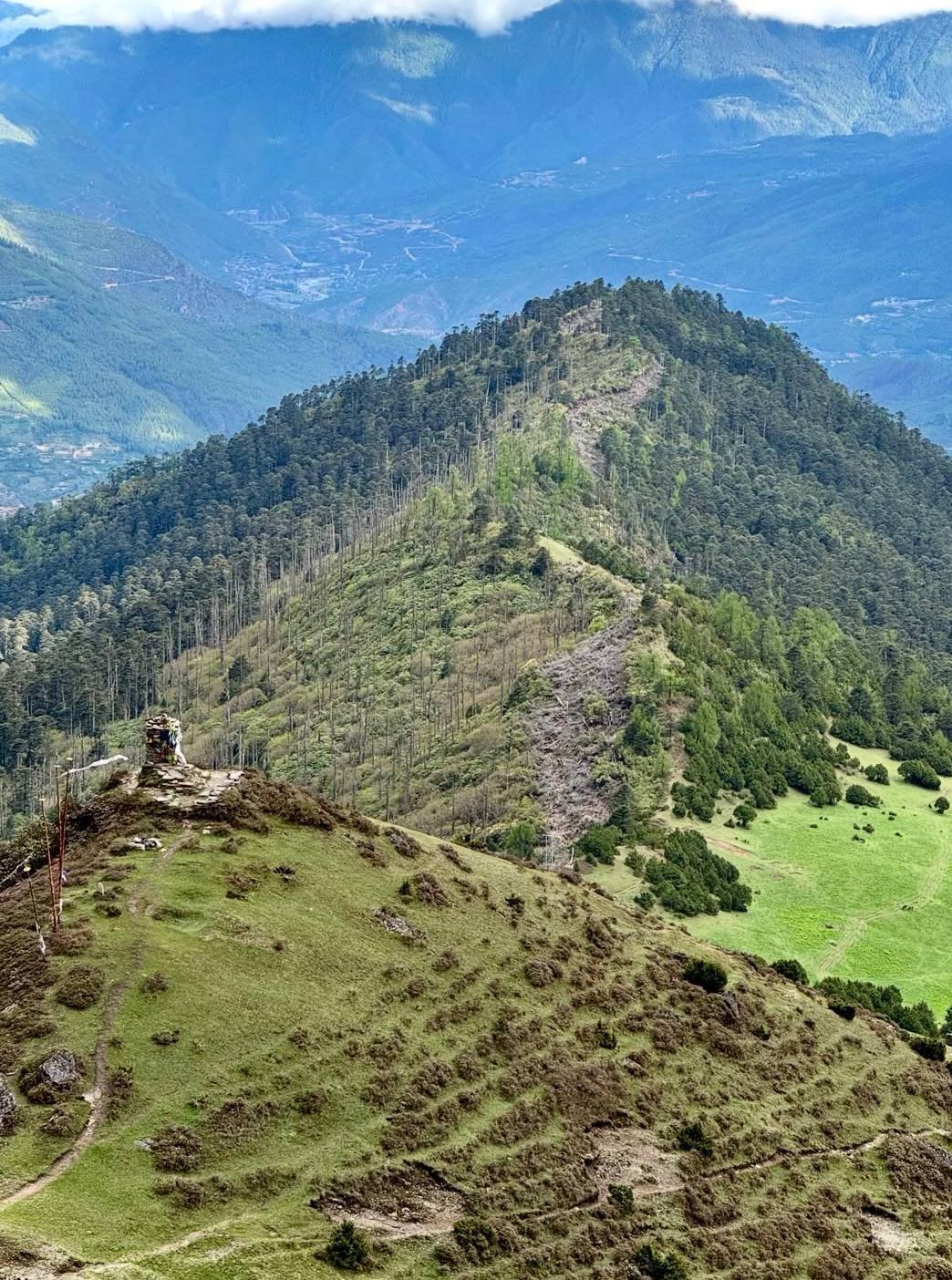
After breakfast, begin the hike from the yak pastures below Bumdra Monastery (3,800 m) towards Taktsang Monastery (2,900 m). The trail descends through ancient pine and rhododendron forests, passing several monasteries and offering beautiful views of the surrounding mountains and valleys.
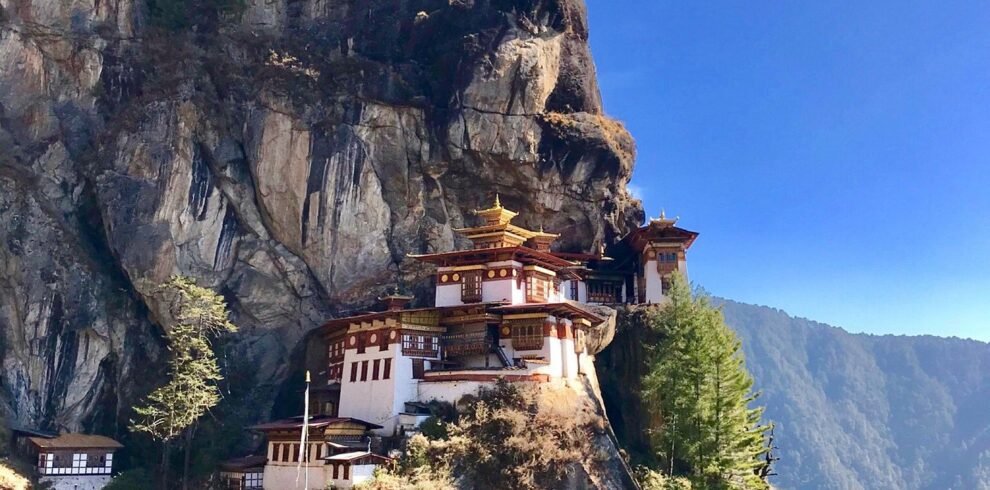
Continue along the mountainside to Zangtopelri, known as “Heaven on Earth,” where you can enjoy stunning views of the iconic Tiger’s Nest (Taktsang Monastery) perched dramatically on the cliff face. Descend to the waterfall and climb the steps to reach the monastery, one of Bhutan’s most sacred Buddhist pilgrimage sites. According to legend, Guru Rinpoche arrived here on the back of a tigress in the 8th century and meditated in a cave where the monastery was later built.
After exploring Taktsang, descend for about 45 minutes to meet your vehicle and continue up the valley to Drukgyal Dzong, built in 1644 by Zhabdrung Ngawang Namgyal to defend Bhutan’s northern route to Tibet. Enjoy the surrounding mountain scenery before returning to Paro. Dinner and overnight stay in Paro.
Difficulty: Moderate
In the morning, after breakfast representative from Bhutan Travel Services will see you off at the Paro airport for your onward flight.
Cost
The Cost Includes
- Accommodation is on twin sharing basis.
- Meals : breakfast at all places.
- Transfers from one place to another.
- Sightseeing in private cars.
- Vehicle will be provided based on the itinerary.
- All current taxes such as hotel taxes and transportation taxes.
The Cost Excludes
- Entrance fees at the monuments/ temples.
- Meals not mentioned in inclusions.
- Personal Expenses / Purchase of thing.
- Any kind of insurance.
- Any increase in the govt. taxes and state taxes.
- Anything not mentioned in the itinerary.
Frequently Asked Questions (FAQs)
Annapurna Base Camp is a Grade B or a moderately difficult trekking route. So any fit person can do this trek, even if you do not have any previous experience. You should be aware of what to expect and mentally prepare for it. Then, as long as you will too, you can.
On average, you walk about 4 to 6 hours per day. One or two days can be as less as 3hrs and one or two days can be as long as 7hrs.
The highest altitude reached is 4190m. This is the elevation of Annapurna Base Camp. ABC is the highest we will climb in this trek.
Yes, you can charge batteries en route. Charger should be brought. There are hot shower facilities as well. You may have to pay a certain amount for both ($1-$2). Negotiate. Also, a hot water facility could be free at a lower elevation.
No. There are no ATMs on this trek route. You will have to draw enough cash in Pokhara or Kathmandu. There are a number of ATMs in these cities. Everything is paid in Nepali rupees. So money should be exchanged before the start of the trek.
Yes. The Internet can be accessed in most places. Sometimes, there might be some technical problems. The Internet in Nepal is not as fast as you are used to and at times you can just lose connection.
Not really. It depends on you. If you want, ABC trekking can be done independently. You could hire a guide and a porter by yourself instead of going through an agency or not hire a guide at all. Although, not having a guide can be a little problematic during the offseason.
It really depends on you. Is it your first time in Nepal? How confident are you of being able to find your way around? How pressed on time are you? If you go through an agency, it will be costlier but everything will be planned. You will only have to come, trek and return.
For the Annapurna region, pay for guides range from $20 to $30 per day and porters take $15 to $25 per day.